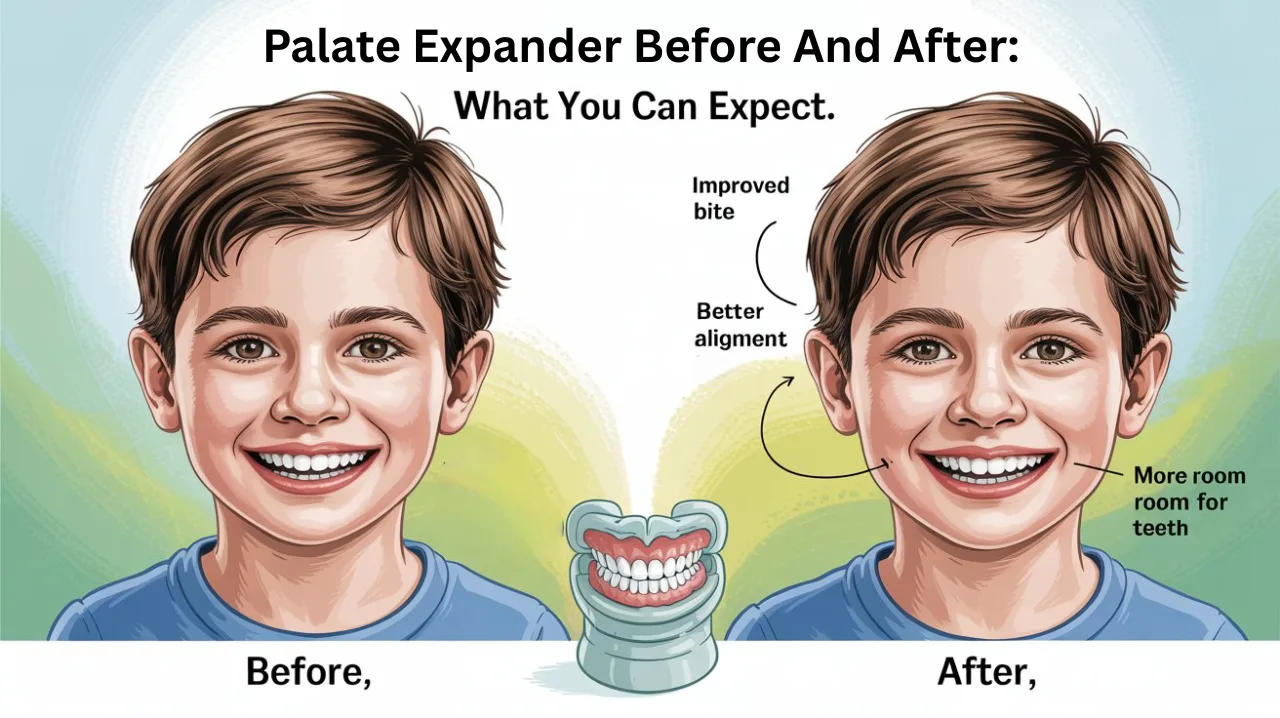

Palate Expander For Kids: Top 5 Tips
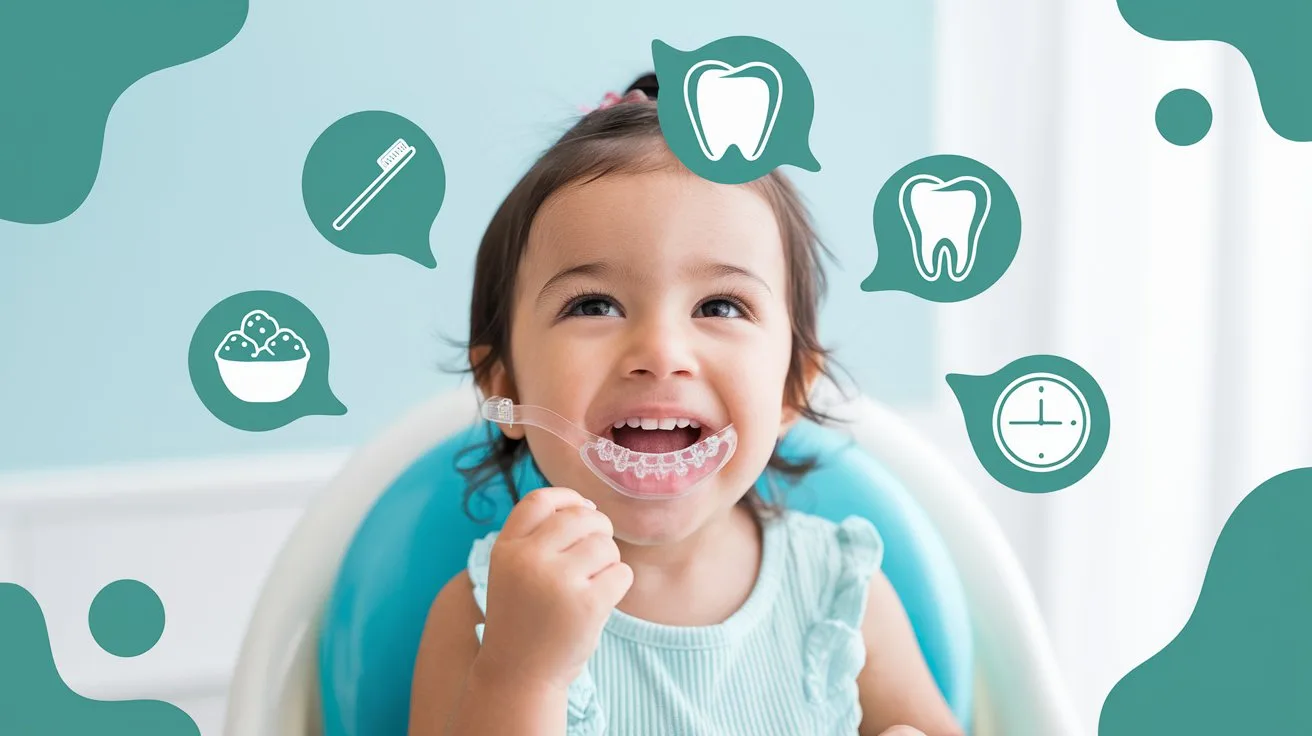
If your child’s orthodontist has recommended a palate expander, this is a common part of orthodontic treatment. A palate expander is an orthodontic device used to widen the upper jaw in growing children. Kids require this treatment when the jaw is too narrow to accommodate permanent teeth or if there are bite alignment issues. Palate expander for kids are most effective when used during childhood, while the bones are still developing. Using a palate expander during early development can support proper alignment and reduce the need for more extensive procedures later. In this blog, we will share the top five expert-approved tips that every parent should know. So let’s get started.
Top Five Tips For Palate Expander Kids
Here are the top 5 expert palate expander kids‘ tips that will make your journey smoother:
Prepare Your Child Emotionally
Introducing a palate expander to your child might be overwhelming if they are already nervous about dental visits. One of the most important things that you can do is prepare your child for this new experience. Explain to them what a palate expander is and why it is needed. Use simple and child-friendly language and try to stay positive. Explain to them the benefits, such as helping their teeth grow or making more room for other teeth to come in.
You can show them age-appropriate videos of other children using expanders to help them feel more confident. Keep in mind that it’s normal for children to feel anxious or unsure during this stage of treatment. Giving them some time and offering emotional support early can help make the experience smoother.
Master Oral Hygiene Early
Once the expander is installed in its place, keeping it clean is the top priority. Food particles can easily get stuck in the crevices, which leads to plaque and even cavities, if not cleaned properly. That’s why good oral hygiene should start as soon as the expander is placed.
Encourage your children to brush thoroughly after every meal. A soft-bristle toothbrush and fluoride toothpaste work well. Make sure your child rinses with water, or a child’s mouthwash can also help flush out dirt.
If your child is old enough, teach them how to check for food under the expanded area using the mirror. However, for younger children, you may need to assist with brushing and rinsing. Establishing good hygiene habits early helps reduce the risk of complications like cavities or gum irritation.
Stick To A Soft Food Diet At First
The first few days after getting a palate expander, kids can be uncomfortable. It’s normal for children to feel some initial pressure or discomfort as they adjust. It is suggested to offer soft, easy-to-eat foods such as mashed potatoes, yogurt, smoothies, oatmeal, scrambled eggs, pasta, and others during this period.
Avoid offering sticky, chewy, or crunchy food like gum, caramel, popcorn, or hard candies, as they can damage the expander or cause additional discomfort. Most children adjust to the expander within a week or so, but it is always a good idea to keep some soft food options on hand in case soreness returns after adjustment.
Create A Routine
Some expanders require manual adjustment at home using a special key. If your child’s appliance requires regular adjustments and needs daily or weekly returns, it is essential to establish a consistent routine that will help you and your child stay on track.
Choose a time each day after dinner or before bedtime to turn the key. Explain to your child what you are doing and why, and offer praise for their bravery to keep them motivated.
Most kids feel pressure, but not pain, during adjustment. Still, it is important to go slow and follow the orthodontist’s instructions closely. Never skip a turn or over-tighten the expander, as this can interfere with treatment progress.
Monitor Progress To Stay In Touch With Your Orthodontist
Regular checkups are an essential part of the palate expander process. Your Pediatric orthodontist will monitor how well the palate is expanding and make sure everything is going smoothly.
As a parent, you should also keep an eye out for issues like persistent pain or swelling, difficulty speaking or eating after the first week, loss of or broken parts of the expander, and expanding too quickly or unevenly.
Maintaining open communication with your child, asking about their comfort, and listening to their concerns can help ease the process. Tracking the progress of palate expander for kids helps to detect a problem earlier. Make sure the expander is functioning as intended. If you notice anything unusual, don’t wait until the next appointment. Contact your Pediatric orthodontist right away. This will help to prevent avoidable setbacks.
Conclusion
Using a palate expander for kids may seem like a significant step, but with the right guidance and professional support, it can be a smooth and successful journey. The tips mentioned above make all the difference to your child’s comfort and progress. A beautiful, healthy smile starts with early intervention, and you are already on the right path by staying informed and involved in the process.
If you’re ready to start your child’s orthodontic journey and looking for best pediatric orthodontist near me, book your appointment with Ivanov Orthodontics today. Our Kids orthodontist will guide you and your child every step of the way with expert care and friendly support.
Frequently Asked Questions
Are expanders painful for kids?
It's not painful, although kids might feel some pressure against the teeth and roof of the mouth. Usually, for children, the parents or caregiver turn on the expander.
Can palate expanders improve speech?
Some children may experience improved speech clarity with palate expansion, especially if a narrow palate affects pronunciation.